

Weis Aquires UPF’s Foam Trailer Series
Weis Acquires UPF Foam Trailer Series Weis is proud to announce the acquisition of UPF United Plastic Fabricating, Inc.’s Protector Foam Trailer products. This allows Weis
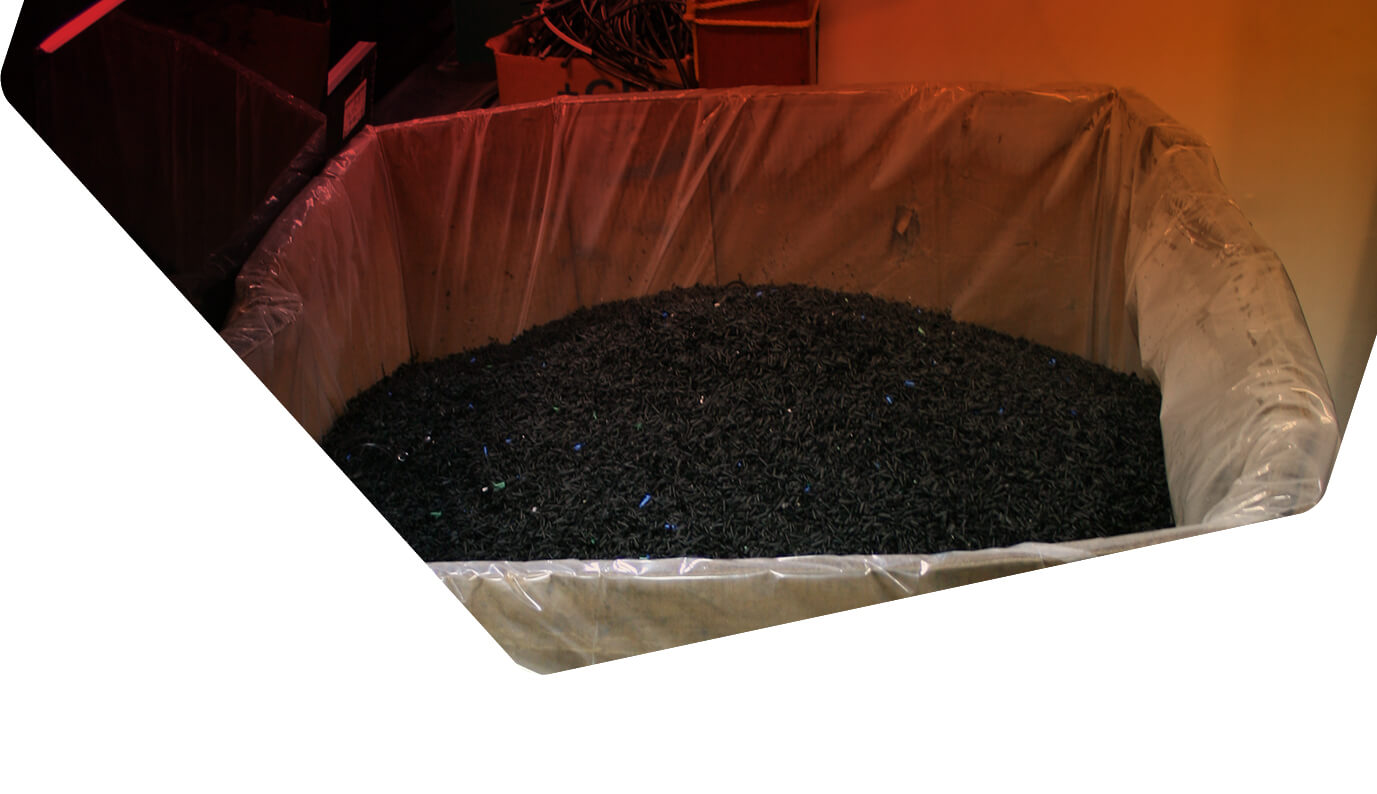
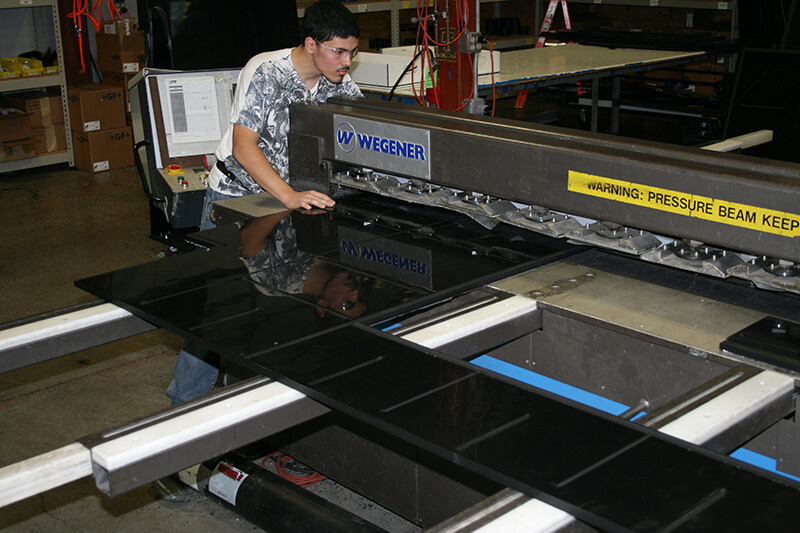
In addition, we’ve integrated production flow principles into our design process to minimize waste, improve quality, lower costs, and detect issues early on in the production of our sustainable water tanks. This method also improves delivery predictions, making it easier to address the question, “When will my product ship?”. This workflow allows us to save time, resources, and product while delivering the best value to our customers. As a result, combining Green and Lean strategies benefits both our bottom line and yours.
Furthermore, we have received ISO certifications in our two manufacturing facilities to ensure that our business management system, polypropylene manufacturing process, operation, and documentation procedures meet the quality, safety, and efficiency requirements in our products’ production.
The ISO 9001 2015 certification was the most recent one we got. Although this credential is predominantly concerned with quality standards, it also contributes to the company’s long-term visibility. As a result, we’re still developing and finding new ways to improve our sustainable plastic manufacturing.
All of our efforts contribute to effective and sustainable plastic manufacturing processes because they decrease waste and improve productivity. With the aid of the Lean Transformations Group’s advisors, we could increase our business efficiency.
As a result, we improved production line productivity by 40%, overall productivity by 15%, and warranty costs by 40%. The story, however, does not end here. In our line of work, we are responsible for self-improvement. There’s always something that can be done differently. We are far from perfect. However, we take the measures required to get there. As a result, we are striving to have the most sustainable water tanks in the market.
Polypropylene offers a great number of advantages, many of which allow it to be used for a wide variety of different products and services.
Weis Acquires UPF Foam Trailer Series Weis is proud to announce the acquisition of UPF United Plastic Fabricating, Inc.’s Protector Foam Trailer products. This allows Weis
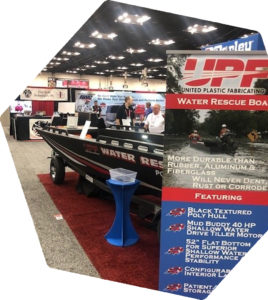
FDIC 2021 UPF Introduced the Water Rescue Boat with Poly Hull We have designed this boat to obtain optimal performance allowing you to get to

Joe Lingel Retires from UPF United Plastic Fabricating, Inc. (UPF) announces that as of September 1, 2021, Joe Lingel, CEO of United Plastic Fabricating, Inc.

MIFDI learns all about UPF Poly-Tank Design Just last week, United Plastic Fabricating hosted the Massachusetts Institute of Fire Department Instructors at our Massachusetts location.
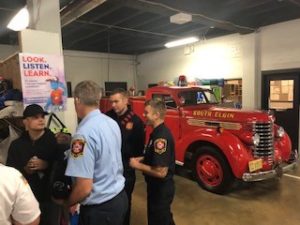
UPF tanks and big OEMs at South Elgin open house for Fire Prevention Week! United Plastic Fabricating’s Pat Cahill had the wonderful opportunity to attend
Website By CleverLight & Seolvit
This site uses functional cookies and external scripts to improve your experience.
Privacy settings
Privacy Settings
This site uses functional cookies and external scripts to improve your experience. Which cookies and scripts are used and how they impact your visit is specified on the left. You may change your settings at any time. Your choices will not impact your visit.
NOTE: These settings will only apply to the browser and device you are currently using.
Privacy Policy
We use cookies to make the UPF website a better experience. Cookies help to provide a more personalized experience and web analytics for us. Click here to view our Privacy Policy.